
On the curious gap between what we know, what we say and what other people actually see.
It took a few days confined to bed to give me the time, the space and, above all, the urgency to return to writing about something that matters a great deal to me. I often tell my students: if you have nothing to say, silence is golden. But if you have something worth saying, say it. Some stories, it turns out, are worth telling more than once.
The past month has been a whirlwind. I wrapped up a new edition of the Brand Storytelling module on the MA Advertising and Brand Management, working with a live client in the classroom; signed off an article on the evolution of branding for Ethos Magazine; and delivered two sessions that, on the face of it, could hardly have been more different.
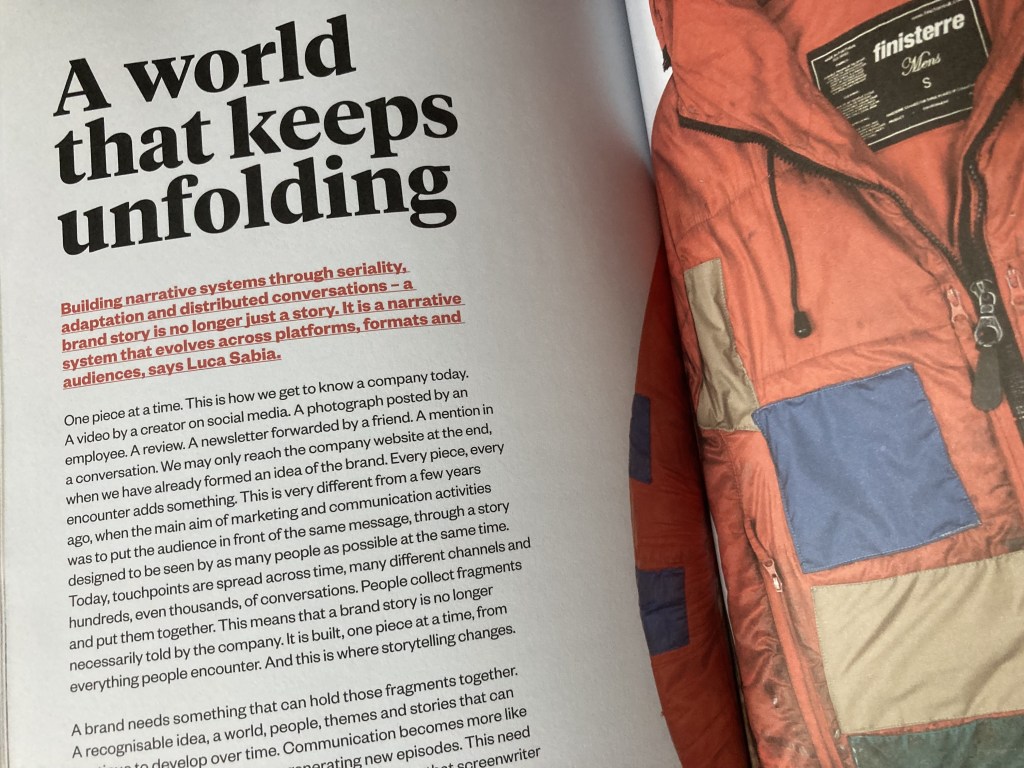
The first was a workshop with radiology trainees on the sidelines of the Annual Scientific Meeting of the British Society of Breast Radiology at The University of Edinburgh. The second was a workshop with young journalism students at the University of Parma, as part of the Mini Digital Festival 2026.
Why expertise is not enough
An invisible thread connects the trainees in Edinburgh and the future journalists in Parma. In both rooms, we started from the same problem: the gap between what we are capable of doing and what others actually perceive.

In Edinburgh, exploring professional reputation, we saw that expertise does not automatically become reputation. Credibility has to be recognised, understood and trusted; value needs clear signals if it is not to be lost in the noise. In Parma, discussing the crisis of print journalism and public trust, we saw that the crisis of attention is, at its heart, a crisis of relationships. Both conversations led back to the same question: how do we make what matters visible, meaningful and worthy of trust?
The need to be seen
Whether we are listening to a track on Spotify, looking at a work of art in a gallery, flicking through an independent magazine, writing a personal branding post or putting together a social media carousel, the underlying dynamic is the same. We are all looking for the feeling of being seen.
That is why communication is an act of care. We do not communicate to fill an empty space or to push a message at all costs. We do it to create a connection that makes the other person feel recognised, heard and alive.
It is also why brand storytelling is more than a marketing technique. It creates meaning, builds relationships and gives people a reason to recognise themselves in what an organisation stands for. As such, it is an implicit pact with the person listening: I am offering you a set of coordinates to help you understand who you are and the kind of world you want to inhabit.
Communication is an act of care.
Care is the scarce resource
In a world where technology has made content production virtually limitless, what is increasingly scarce is the attention and care we bring to our relationships. Visibility alone is not enough. Producing more content does not necessarily create greater understanding, and reaching more people does not automatically build trust.
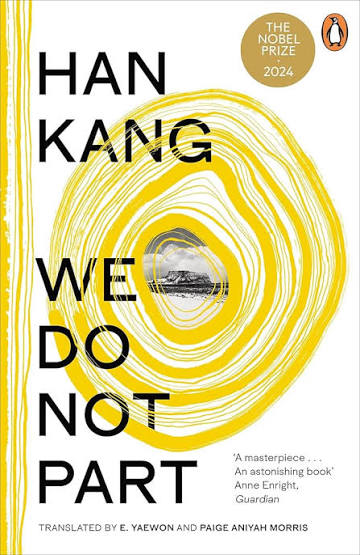
It brings me back to a powerful image in We Do Not Part by Han Kang: snow falling relentlessly, and the stubborn act of caring for what risks being buried beneath it. In the novel, writing becomes an act of presence and a form of responsibility towards another. Perhaps communication asks something similar of us. To pay attention, to notice what might otherwise disappear, and to care enough to make it visible. Because, ultimately, being seen begins with someone taking the time to look.
Cover image: Magnific
Photo illustrations: Author


Leave a Reply